


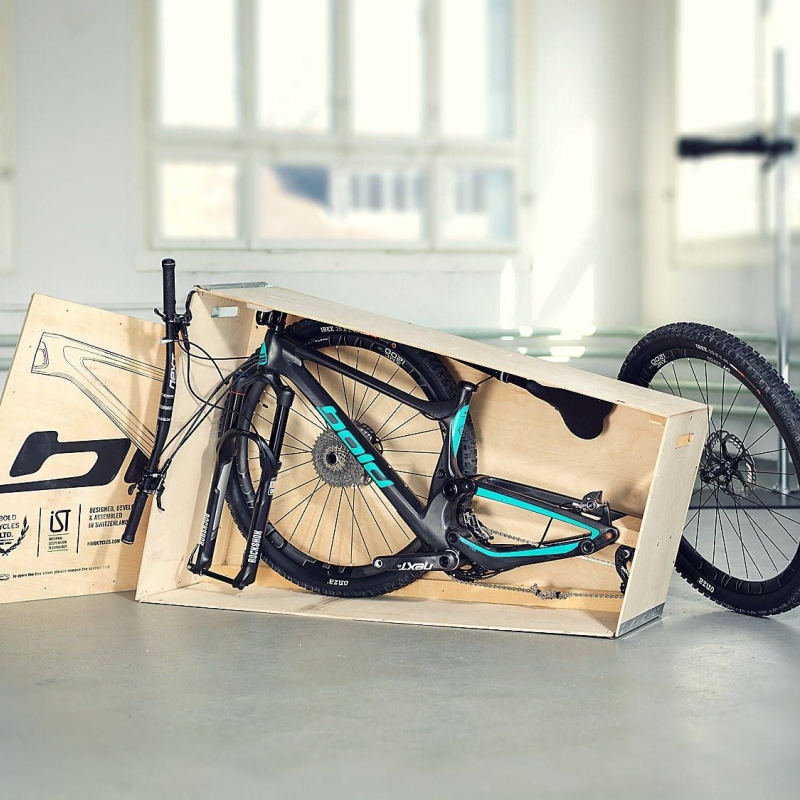
From our travel experience since 2006, we have gained significant experience in transporting sports equipment on various modes of transport, including planes, trains, yachts and cars. We can say with confidence that transporting a bicycle by plane is simple, the main thing is to prepare properly.
The first step is to determine the vehicle that will take you to the starting point of the route. Most often it's an airplane. The first thing you need to familiarize yourself with is the baggage rules of a particular airline — dimensions (most often 203 cm in total measurements), weight (20 or 23 kg, but there may be different figures). It is recommended to study the information on the airline's official website or call to clarify all the details. Often, when buying a ticket with luggage, sports equipment is included in the price (for example, Ural Airlines, S7 and Aeroflot) — you can take your hand luggage, a bag with personal belongings and a bicycle with you. It is necessary to notify the dispatcher 24 hours in advance by phone or in the appropriate application that you will be flying with a bicycle. At the airport, after check-in and weighing (usually the bike is only weighed, dimensions are rarely measured), the bike case is handed over to the «oversized luggage» counter.
How to transport a bicycle
There are three main packaging options for transporting a bicycle:
- A hard case (made of plastic or metal).
- A soft cover (made of fabric, sometimes with dense inserts).
- A cardboard box suitable for the size of a bicycle (can be purchased at sports shops).
Our preferences tend to use boxes — they are lightweight, durable, and allow you to conveniently pack your gear. When preparing the box, we adjust it to the maximum dimensions, for example, 203 cm, then wrap it with foil and fabric ties, and also apply the inscription «fragile». A possible upgrade for the box is the installation of furniture wheels on one side for ease of movement. Many of our customers prefer a soft case, which is also a great way to transport. Especially if a rigid bicycle case is selected, which, although durable, matches the dimensions, but increases the weight (+10 kg) and sometimes requires careful disassembly of the bike into small parts.
How to prepare a bike for transportation
To prepare the bike, the following materials will be required: reinforced tape, soft thin material for laying inside the box, film, a stationery knife, plastic and fabric ties.
The preparation steps include removing accessories, wheels (with reduced tire pressure), pedals, a rear derailleur with a cock, twisting the steering wheel and pressing it along the fork. It is recommended to place a soft material between all touching parts for additional protection.
If your bike is equipped with hydraulic brakes, it is important to install caps for calipers. Then the frame should be placed in the box, and the wheels should be positioned on both sides of the frame. If necessary, you can put your belongings in bags between the box and the bike for additional protection.
After that, wrap the box with foil and screeds. We recommend that you do not apply duct tape to the box immediately, because when passing through the airport, you may be required to open the box to check the contents. Then, after checking in the departure hall, you can wrap the joints with adhesive tape for additional fixation.
If you don't want to train your bike yourself, you can entrust it to your bike master.
Another option for getting a bike to the right place is to contact a transportation company. With almost no disassembly, the bike will be packed in a rigid crate and delivered to a convenient pick-up point.
For those who prefer an easy ride, it is always possible to rent a bike on site. In this case, it is recommended to take your seat and contact pedals with you if they are in use.